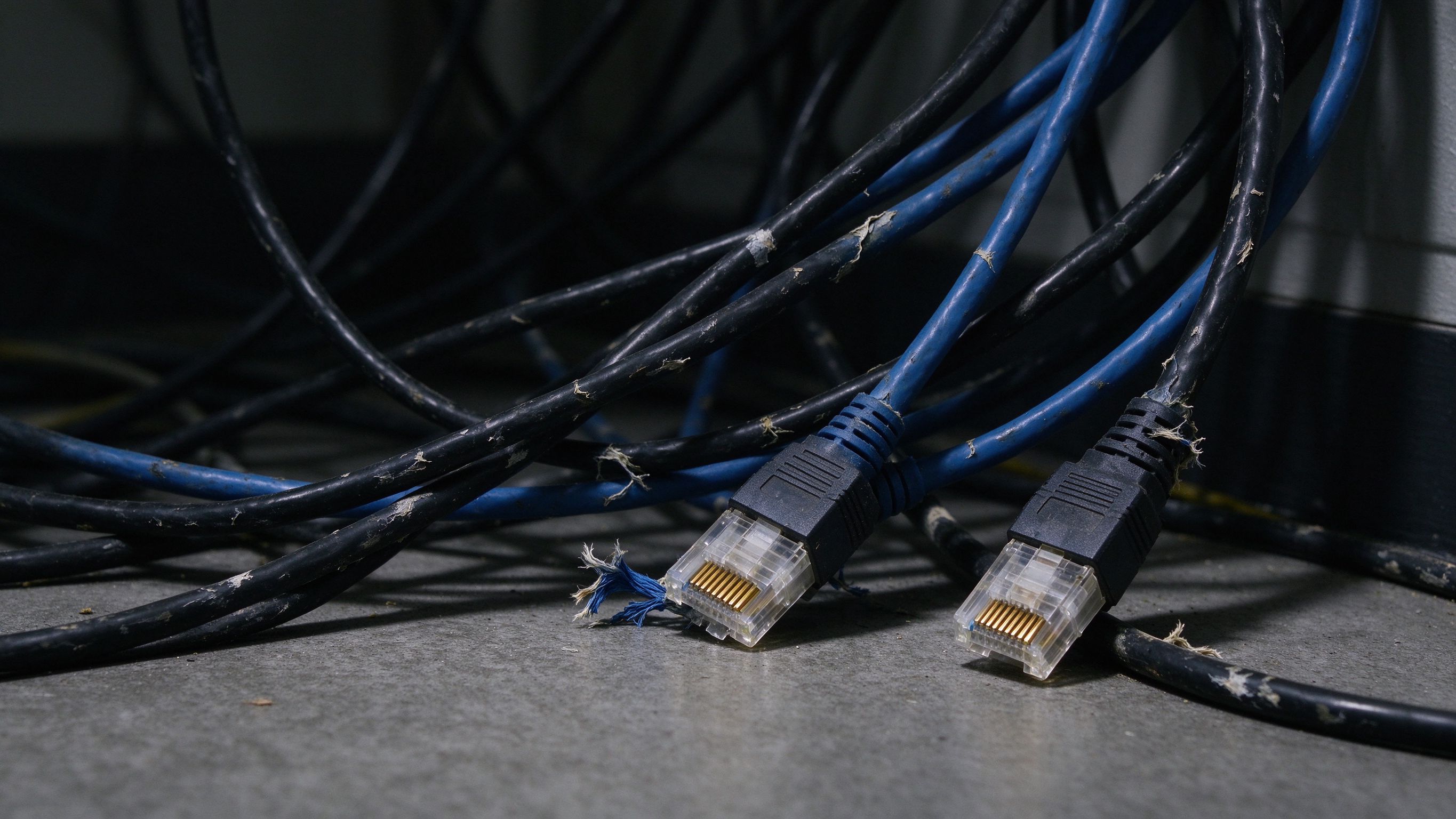
Not every cable is created equal. A USB-C cable that charges your phone may not carry video, may not negotiate data at full speed, and may fail inside a year. The same applies to power adapters: a generic replacement that saves fifteen dollars can, in the worst case, damage the device it powers.
Our rule of thumb is simple. Spend money on cables that carry video or charge critical hardware; save on short, low-risk data leads. A DisplayPort cable feeding a client-facing monitor should be a known-brand part. A three-foot USB lead between a keyboard and a PC can be budget. The difference in cost is small, but the difference in failure mode is not.
Keep a small spare kit of the cables you use most. When a lead fails before a meeting, the cost of the spare is recovered in the first avoided delay. We stock replacement leads and adapters alongside the hardware they connect to, so you can order them in the same cart.
Whether you are planning a rollout, weighing options, or just want a second opinion, our team is happy to help - no pressure, no pushy sales.
More from Embody IT: Insights · Case Studies · FAQs
Why cable quality is a business risk, not a saving.
Check the rated standard on the cable: USB 3.2, DisplayPort version, wattage for power. A charge-only lead looks like a data lead. We label capability so the right cable is used.
Under-rated or poorly regulated adapters can deliver unstable voltage or overheat, risking the device and a fire. For anything critical we use certified adapters with the correct safety markings.
Spend on cables that carry video or charge critical hardware; save on short, low-risk data leads. The cost gap is small; the failure gap is not.
Yes. A known set per device type removes the drawer of mystery dongles and the time lost to the wrong lead in a meeting.